
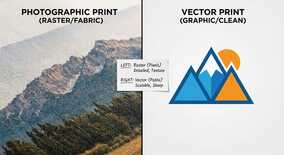
Правильний вибір між фотодруком та векторним друком може кардинально вплинути на якість готового виробу та економічну ефективність виробництва. Розуміння технічних особливостей кожного типу графіки та відповідних технологій друку допомагає досягти оптимального результату для конкретного проекту.
Основні відмінності растрової та векторної графіки полягають у способі зберігання та обробки зображення. Растрові зображення складаються з окремих пікселів - маленьких кольорових квадратиків, що утворюють цілісну картинку. Векторна графіка базується на математичних формулах, що описують геометричні об'єкти - лінії, криві, кольорові заливки.
Растрові формати включають JPEG, PNG, TIFF, PSD та характеризуються фіксованою роздільною здатністю. При збільшенні такого зображення стають помітними окремі пікселі, що призводить до втрати чіткості. Векторні формати - AI, EPS, SVG, PDF - дозволяють нескінченне масштабування без втрати якості.
Коли використовувати фотодрук - цей тип друку оптимальний для растрових зображень з багатьма кольорами, градієнтами та складними деталями:
Фотографії людей, пейзажів, предметів потребують передачі тонких кольорових переходів та деталей. DTF технологія особливо ефективна для фотодруку на текстилі, забезпечуючи яскраві кольори та високу деталізацію.
Художні роботи з багатьма півтонами, реалістичні малюнки, картини вимагають точного відтворення кольорових нюансів. Для таких завдань найкраще підходить сублімаційний друк, що забезпечує найширшу кольорову гаму.
Складні композиції з текстурами, ефектами освітлення, фотореалістичними елементами потребують високої роздільної здатності та точного кольоровідтворення. Мінімальна роздільна здатність для якісного фотодруку становить 300 dpi при фінальному розмірі друку.
Технічні вимоги до фотодруку включають дотримання специфічних параметрів:
Роздільна здатність має становити мінімум 300 dpi для друку на папері та 200-250 dpi для текстильних матеріалів. Для великоформатного друку можна використовувати 150-200 dpi, але це залежить від відстані перегляду.
Кольорова модель для друку має бути CMYK, хоча деякі сучасні принтери можуть працювати з RGB файлами, самостійно конвертуючи їх. Важливо врахувати, що кольори на екрані (RGB) можуть відрізнятися від друкованих (CMYK).
Формати файлів для фотодруку: TIFF без стиснення для найвищої якості, JPEG з мінімальним стисненням, PNG для зображень з прозорістю. PSD файли зберігають всі шари та налаштування, що зручно для редагування.
Коли використовувати векторний друк - цей тип оптимальний для графіки з чіткими контурами та обмеженою кількістю кольорів:
Логотипи компаній зазвичай створюються у векторному форматі для можливості використання на різних носіях - від візитівок до білбордів. Векторний логотип залишається чітким при будь-якому розмірі друку.
Текстові елементи, особливо дрібний текст, краще передаються векторною графікою. Шрифти за своєю природою є векторними об'єктами, тому забезпечують максимальну чіткість країв.
Ілюстрації з чіткими контурами, схеми, діаграми, технічні креслення ідеально підходять для векторного друку. Такі зображення зазвичай мають обмежену кольорову палітру та не потребують передачі півтонів.
Переваги векторного друку включають кілька ключових аспектів:
Нескінченна масштабованість дозволяє використовувати один файл для друку візитівки та рекламного банера. Це економить час на підготовці макетів та забезпечує однакову якість на всіх розмірах.
Менший розмір файлів полегшує їх передачу та зберігання. Векторний логотип може "важити" кілька кілобайт, тоді як растрова версія того ж зображення - мегабайти.
Простота редагування векторних об'єктів дозволяє швидко змінювати кольори, форму, розміри окремих елементів без втрати якості. Це особливо важливо при створенні варіацій дизайну.
Технологічні особливості різних методів друку впливають на вибір типу графіки:
Шовкографія (трафаретний друк) традиційно використовується для векторної графіки через особливості технології. Кожен колір наноситься окремо через трафарет, тому градієнти та півтони важко відтворити якісно.
Цифровий друк (струменевий, лазерний) однаково добре працює з обома типами графіки, але векторні елементи залишаються чіткішими, особливо при друку дрібних деталей та тексту.
DTF друк ефективний для фотореалістичних зображень завдяки можливості передачі складних кольорових переходів, але також може використовуватися для векторної графіки з насиченими кольорами.
Гібридні рішення поєднують переваги обох підходів:
Комбіновані макети можуть включати векторні елементи (логотипи, текст) та растрові (фотографії, складна графіка). При підготовці таких файлів важливо зберігати оптимальну роздільну здатність для кожного типу елементів.
Векторизація растрових логотипів дозволяє покращити якість друку та зменшити розмір файлу. Цей процес включає перетворення пікселів у математичні криві з використанням спеціального програмного забезпечення.
Растеризація векторної графіки може бути необхідна для деяких технологій друку. Важливо використовувати високу роздільну здатність (не менше 300 dpi) для збереження якості.
Підготовка файлів для різних технологій друку має специфічні вимоги:
Для сублімаційного друку оптимальними є растрові файли у форматі TIFF або високоякісний JPEG. Кольорова модель може бути RGB, оскільки сублімаційні чорнила працюють за принципом, близьким до RGB.
DTF друк працює з обома типами графіки, але для фотодруку рекомендується роздільна здатність 200-300 dpi. Векторні елементи можна растеризувати при високій роздільній здатності.
Широкоформатний друк може використовувати нижчу роздільну здатність (150-200 dpi) через велику відстань перегляду. Векторні елементи залишаються оптимальним вибором для великих розмірів.
Економічні аспекти вибору впливають на рентабельність проектів:
Векторний друк часто дешевший для простої графіки з обмеженою кількістю кольорів. Технології типу шовкографії можуть бути економічно вигідними для великих тиражів векторних зображень.
Фотодрук потребує більших витрат на чорнила та час друку, але забезпечує неперевершену якість для складних зображень. Вартість виправдовується для преміум продукції.
Тираж впливає на економічність технології. Векторний друк стає дешевшим при збільшенні кількості, тоді як цифровий друк має стабільну ціну за одиницю незалежно від тиражу.
Контроль якості для різних типів друку має свої особливості:
Фотодрук вимагає калібрування мониторів та принтерів для точного кольоровідтворення. Важливо використовувати кольорові профілі та робити пробні друки перед основним тиражем.
Векторний друк потребує перевірки чіткості країв та правильності відтворення кольорів. Дрібні елементи та тонкі лінії можуть втратися при друку, тому потрібна попередня перевірка.
Комбіновані макети потребують особливої уваги до поєднання різних елементів. Векторні та растрові частини мають гармонійно поєднуватися без видимих переходів у якості.
Рекомендації щодо програмного забезпечення для роботи з різними типами графіки:
Adobe Illustrator оптимальний для створення та редагування векторної графіки. Програма забезпечує професійні інструменти для роботи з кривими, текстом та кольорами.
Adobe Photoshop призначений для роботи з растровими зображеннями. Програма пропонує широкі можливості корекції фотографій та створення складних композицій.
Комбіноване використання програм дозволяє створювати складні проекти з векторними та растровими елементами. Adobe InDesign ідеальний для верстки багатосторінкових документів.
Майбутні тенденції у розвитку технологій друку впливають на вибір типу графіки:
Розвиток ШІ-технологій дозволяє автоматично векторизувати растрові зображення та покращувати роздільну здатність фотографій. Це розширює можливості використання різних типів файлів.
Нові технології друку поєднують переваги різних методів, дозволяючи ефективно працювати з будь-якими типами графіки. Гібридні принтери можуть автоматично оптимізувати налаштування для різних частин зображення.
Інтеграція з хмарними сервісами спрощує процес підготовки файлів та автоматично оптимізує їх для конкретних технологій друку. Це знижує технічні бар'єри для клієнтів.
Правильний вибір між фотодруком та векторним друком залежить від розуміння специфіки кожного підходу, технічних можливостей обладнання та конкретних вимог проекту. Професійний підхід до підготовки файлів забезпечує оптимальну якість при мінімальних витратах.