
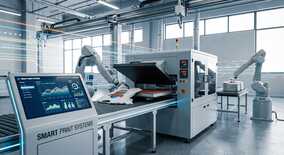
Автоматизація друкарського виробництва стала ключовим фактором конкурентоспроможності в сучасній індустрії друку. Перехід від ручних операцій до автоматизованих процесів не лише підвищує продуктивність, але й забезпечує стабільну якість продукції та зменшує операційні витрати. У цій статті ми детально розглянемо основні напрямки автоматизації, технології та економічні аспекти впровадження автоматизованих рішень у друкарському бізнесі.
Еволюція друкарського виробництва
Сучасне друкарське виробництво пройшло довгий шлях від повністю ручних операцій до високоавтоматизованих процесів. Традиційний робочий процес включав численні ручні етапи: підготовку макетів, налаштування обладнання, контроль якості, пакування готової продукції. Кожен з цих етапів був потенційним джерелом помилок та затримок у виробництві.
Впровадження DTF принтерів революціонізувало індустрію друку на текстилі, але справжній прорив відбувся з появою автоматизованих систем управління всім виробничим процесом. Сьогодні передові друкарні можуть обробляти сотні замовлень на день з мінімальним втручанням оператора.
Конвеєрні термопреси: серце автоматизованого виробництва
Конвеєрні термопреси представляють собою революційне рішення для масового виробництва. На відміну від традиційних планшетних термопресів, конвеєрні системи забезпечують безперервний процес нанесення зображень на текстиль.
▸ Продуктивність (шт/год)
- Ручний термопрес: 30-50
- Конвеєрний термопрес: 200-500
▸ Участь оператора
- Ручний термопрес: 100%
- Конвеєрний термопрес: 20-30%
▸ Стабільність результату
- Ручний термопрес: Залежить від оператора
- Конвеєрний термопрес: Високая
▸ Енерговитрати
- Ручний термопрес: Середні
- Конвеєрний термопрес: Оптимізовані
Основні переваги конвеєрних термопресів включають:
1. Постійна температура та тиск - автоматична система контролю забезпечує ідеальні умови для кожного виробу, виключаючи людський фактор.
2. Високу швидкість обробки - безперервний рух конвеєра дозволяє обробляти до 500 виробів на годину, що в 10 разів перевищує можливості ручного обладнання.
3. Зменшення браку - автоматизований контроль температури, тиску та часу експозиції практично виключає ймовірність псування матеріалів.
Автоматичні шейкери: оптимізація DTF процесу
Автоматичні шейкери стали невід'ємною частиною сучасного DTF виробництва. Ця технологія автоматизує один з найбільш трудомістких процесів - нанесення та розподіл клейового порошку на друкованих плівках.
Традиційний процес DTF включав ручне струшування порошку, що було не лише повільним, але й неточним. Автоматичні шейкери вирішують цю проблему за рахунок:
Точного дозування порошку - система автоматично визначає необхідну кількість порошку залежно від розміру та щільності зображення.
Рівномірного розподілу - вібраційна система забезпечує ідеальне покриття всієї площі друку без пропусків та надлишків.
Збору надлишків - вбудована система збирання дозволяє повторно використовувати порошок, що не прилип до плівки, знижуючи витрати на матеріали до 30%.
RIP черги та управління робочим процесом
Система управління RIP (Raster Image Processor) чергами є мозком автоматизованого друкарського виробництва. Сучасні RIP системи не лише обробляють зображення, але й координують роботу всього виробничого ланцюга.
Ключові функції автоматизованих RIP систем:
Інтелектуальна черга завдань - система автоматично розподіляє завдання між доступними принтерами, враховуючи їх завантаженість, технічні характеристики та поточний стан.
Оптимізація використання матеріалів - алгоритми автоматично групують та розміщують зображення на плівці для максимального використання площі друку.
Контроль якості - вбудовані системи перевіряють готові файли на наявність помилок кольорів, роздільної здатності та інших параметрів перед відправкою на друк.
Інтеграція з системами управління - сучасні RIP системи можуть інтегруватися з ERP та CRM системами, автоматично отримуючи замовлення та відправляючи звіти про готовність продукції.
Рівні автоматизації друкарського виробництва
Автоматизацію друкарського виробництва можна розділити на кілька рівнів, кожен з яких має свої особливості та вимоги до інвестицій:
Рівень 1: Базова автоматизація
Включає заміну ручних термопресів на автоматичні, впровадження простих RIP систем та базових засобів контролю якості. Інвестиції: 15,000-50,000 доларів США. Окупність: 8-12 місяців.
Рівень 2: Часткова автоматизація
Додається автоматичне обладнання для підготовки матеріалів, системи управління чергами та базова інтеграція процесів. Інвестиції: 50,000-150,000 доларів США. Окупність: 12-18 місяців.
Рівень 3: Повна автоматизація
Впроваджується конвеєрне виробництво, повністю автоматизовані системи контролю якості, інтегровані ERP рішення. Інвестиції: 150,000-500,000 доларів США. Окупність: 18-24 місяця.
Аналіз ROI автоматизації
Розрахунок рентабельності інвестицій в автоматизацію повинен враховувати не лише прямі витрати на обладнання, але й супутні фактори:
Скорочення трудовитрат - автоматизація дозволяє скоротити кількість операторів на 60-80%, що означає значну економію на заробітній платі.
Підвищення якості - зменшення браку з 5-10% до 1-2% суттєво впливає на прибутковість, особливо при роботі з дорогими матеріалами.
Збільшення пропускної здатності - автоматизоване обладнання може працювати 24/7, що в 2-3 рази збільшує обсяги виробництва без додаткових витрат на оренду приміщень.
Економія матеріалів - точні системи дозування та мінімізація браку дозволяють заощадити 15-25% витрат на матеріали.
▸ Трудовитрати ($/міс)
- Ручне виробництво: 8,000
- Автоматизоване виробництво: 2,000
- Економія: 6,000
▸ Брак (%)
- Ручне виробництво: 7%
- Автоматизоване виробництво: 1.5%
- Економія: 5.5%
▸ Продуктивність (шт/день)
- Ручне виробництво: 300
- Автоматизоване виробництво: 1,200
- Економія: +300%
▸ Витрати матеріалів (%)
- Ручне виробництво: 100%
- Автоматизоване виробництво: 80%
- Економія: 20%
Коли варто інвестувати в автоматизацію
Рішення про автоматизацію повинно базуватися на об'єктивному аналізі поточного стану бізнесу та перспектив розвитку:
Обсяги виробництва - автоматизація стає доцільною при обробці більше 500 виробів на день. При менших обсягах інвестиції можуть не окупитися.
Стабільність замовлень - наявність постійних клієнтів та довгострокових контрактів гарантує стабільну завантаженість автоматизованого обладнання.
Кваліфікація персоналу - автоматизоване обладнання вимагає кваліфікованих технічних спеціалістів. Необхідно оцінити можливості навчання існуючого персоналу або залучення нових кадрів.
Фінансові можливості - крім початкових інвестицій необхідно враховувати витрати на обслуговування, оновлення програмного забезпечення та можливі модернізації.
Етапи впровадження автоматизації
Успішне впровадження автоматизації вимагає поетапного підходу:
Етап 1: Аналіз та планування (1-2 місяці)
Детальний аудит існуючих процесів, виявлення вузьких місць, розробка плану автоматизації з урахуванням специфіки бізнесу.
Етап 2: Пілотний проект (2-3 місяці)
Впровадження автоматизації на одній виробничій лінії для тестування рішень та навчання персоналу.
Етап 3: Масштабування (3-6 місяців)
Поступове розширення автоматизації на все виробництво з урахуванням досвіду пілотного проекту.
Етап 4: Оптимізація та розвиток (постійно)
Регулярне оновлення систем, впровадження нових технологій, навчання персоналу.
Технологічні тренди та майбутнє автоматизації
Індустрія друку постійно розвивається, впроваджуючи нові технології автоматизації:
Штучний інтелект та машинне навчання - системи ШІ вже зараз можуть автоматично оптимізувати кольори, прогнозувати потребу в матеріалах та планувати виробничі процеси.
IoT та Industry 4.0 - підключене обладнання дозволяє в режимі реального часу відслідковувати стан всіх компонентів виробничої лінії та проводити передчасне обслуговування.
Роботизація - промислові роботи поступово замінюють людей в операціях завантаження/розвантаження матеріалів, пакування готової продукції.
Висновки
Автоматизація друкарського виробництва є не просто трендом, а необхідністю для конкурентоспроможного ведення бізнесу. Правильно спланована та поетапно впроваджена автоматизація дозволяє:
• Збільшити продуктивність в 3-5 разів • Знизити виробничі витрати на 25-40% • Покращити якість продукції та зменшити брак • Забезпечити стабільний робочий процес 24/7 • Створити основу для масштабування бізнесу
Інвестиції в автоматизацію окупаються протягом 12-24 місяців при правильному плануванні та впровадженні. Ключовими факторами успіху є поетапний підхід, якісне навчання персоналу та регулярна оптимізація процесів.