
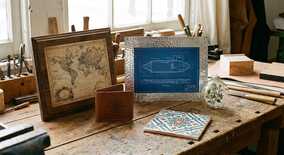
Сучасна індустрія друку стрімко розвивається, виходячи за межі традиційного друку на папері та текстилі. Друк на нестандартних поверхнях відкриває безліч нових можливостей для бізнесу та творчості, дозволяючи створювати унікальні продукти на таких матеріалах, як дерево, метал, шкіра та скло.
У цій статті ми детально розглянемо технології та методи друку на цих поверхнях, особливості підготовки матеріалів, вибір обладнання та практичні поради для досягнення найкращих результатів.
▶ Друк на дереві: UV та DTF технології
Дерево є одним з найпопулярніших матеріалів для декоративного друку. Природна текстура та екологічність роблять дерев'яні вироби привабливими для споживачів у різних сферах: від сувенірної продукції до меблів та архітектурних елементів.
▶ UV-друк на дереві
UV-друк є найефективнішою технологією для роботи з деревиною. UV-DTF принтери забезпечують відмінну адгезію та яскравість кольорів завдяки миттєвому затвердінню чорнил під впливом ультрафіолетового випромінювання.
▸ М'які породи (сосна, ялина)
- Підготовка: Шліфування, грунтування
- Якість друку: Відмінна на грунтованих поверхнях
- Застосування: Декоративні панелі, сувеніри
▸ Тверді породи (дуб, бук)
- Підготовка: Мінімальна підготовка
- Якість друку: Висока природна адгезія
- Застосування: Меблі, архітектурні елементи
▸ Фанера
- Підготовка: Шліфування дрібною шкуркою
- Якість друку: Рівномірна, стабільна
- Застосування: Вивіски, упаковка
▶ DTF-друк на дереві
DTF-принтери дозволяють переносити зображення через спеціальну плівку. Цей метод особливо ефективний для нерівних або текстурованих поверхонь дерева, де прямий друк може бути ускладнений.
Переваги DTF для дерева:
- Можливість роботи з фігурними поверхнями
- Висока деталізація зображення
- Стійкість до механічних пошкоджень
- Можливість друку металізованими чорнилами
▶ Друк на металі: сублімація та спеціальні покриття
Металеві поверхні потребують особливого підходу через їх фізико-хімічні властивості. Основними методами є сублімаційний друк на підготовлених поверхнях та прямий UV-друк.
▶ Сублімація на алюмінії
Сублімаційний друк на алюмінії вимагає спеціального полімерного покриття, яке дозволяє чорнилам проникати в структуру матеріалу при нагріванні.
▸ Поліестерове глянцеве
- Температура: 180-200°C
- Час пресування: 60-90 секунд
- Результат: Яскраві кольори, глянцевий блиск
▸ Поліестерове матове
- Температура: 170-190°C
- Час пресування: 80-120 секунд
- Результат: Благородний матовий вигляд
▸ Керамічне
- Температура: 200-220°C
- Час пресування: 120-180 секунд
- Результат: Максимальна стійкість
▶ UV-друк на металі
Сучасні UV-принтери здатні друкувати безпосередньо на металевих поверхнях без додatkового покриття. Для покращення адгезії використовуються спеціальні праймери.
Особливості роботи з різними металами:
- Алюміній: відмінна адгезія, не потребує праймера
- Нержавіюча сталь: потрібна попередня обробка праймером
- Мідь: схильна до окислення, вимагає захисного покриття
- Латунь: добре тримає чорнила, популярна для декору
▶ Друк на шкірі: DTF та трафаретний друк
Натуральна та штучна шкіра є популярними матеріалами для персоналізації аксесуарів, взуття та одягу. Пористість та еластичність шкіри створюють унікальні виклики для друкарів.
▶ DTF-технологія для шкіри
DTF-друк ідеально підходить для шкіри завдяки еластичності трансферної плівки, яка адаптується до природного руху матеріалу.
Етапи роботи з шкірою:
- Очищення поверхні від жиру та бруду
- Тестування температурного режиму
- Нанесення трансферу при температурі 140-160°C
- Охолодження під тиском
- Видалення носійної плівки
▶ Трафаретний друк на шкірі
Для великих тиражів та простих дизайнів трафаретний друк залишається конкурентоспроможним рішенням. Використання спеціальних чорнил для шкіри забезпечує довговічність та еластичність відбитка.
▸ Гладка натуральна
- Рекомендована технологія: DTF, трафаретний друк
- Особливості: Добра адгезія, потрібна обережність з температурою
- Застосування: Сумки, гаманці, взуття
▸ Замша
- Рекомендована технологія: Трафаретний друк
- Особливості: Ворс вимагає спеціальних чорнил
- Застосування: Одяг, аксесуари
▸ Штучна шкіра
- Рекомендована технологія: DTF, UV-друк
- Особливості: Стабільні властивості, вища термостійкість
- Застосування: Меблі, автоаксесуари
▶ Друк на склі: UV-технології та деколь
Скло є одним з найскладніших матеріалів для друку через його гладкість та хімічну інертність. Однак сучасні технології дозволяють досягати вражаючих результатів.
▶ UV-друк на склі
UV-друк забезпечує найкращу якість зображення на склі. Чорнила полімеризуються безпосередньо на поверхні, утворюючи міцне покриття.
Підготовка скляної поверхні:
- Ретельне знежирення спиртом або спеціальними розчинниками
- Перевірка на відсутність подряпин та сколів
- Контроль температури поверхні (оптимально 18-22°C)
- Забезпечення відсутності вібрацій під час друку
▶ Деколь та керамічні чорнила
Для посуду та декоративних виробів, які підлягають термічній обробці, використовуються керамічні чорнила та технологія деколі.
Процес виготовлення деколі:
- Друк на спеціальному папері керамічними чорнилами
- Нанесення захисного лаку
- Перенесення на скло через воду
- Випалювання при температурі 580-620°C
▶ Equipment для роботи з нестандартними поверхнями
Вибір правильного обладнання є критично важливим для успішного друку на нестандартних поверхнях.
▶ Термопреси
Термопреси відіграють ключову роль у DTF та сублімаційному друці. Для роботи з різними поверхнями потрібні різні типи пресів:
▸ Плоский прес
- Застосування: Плоскі поверхні всіх типів
- Переваги: Рівномірний тиск, точний контроль температури
- Обмеження: Тільки плоскі об'єкти
▸ Багатофункціональний прес
- Застосування: Кружки, тарілки, кепки
- Переваги: Універсальність, змінні насадки
- Обмеження: Вища вартість, складність налаштування
▸ Пневматичний прес
- Застосування: Промислове виробництво
- Переваги: Стабільний тиск, висока продуктивність
- Обмеження: Необхідність підключення компресора
▶ UV-принтери для нестандартних поверхонь
Сучасні UV-принтери оснащуються системами автоматичного визначення висоти об'єкта та можуть друкувати на поверхнях товщиною до 100 мм.
▶ Практичні поради та рекомендації
▶ Забезпечення адгезії
Для покращення зчеплення чорнил з поверхнею використовуйте:
- Праймери: спеціальні ґрунтовки для кожного типу матеріалу
- Корона-обробку: для пластикових та металевих поверхонь
- Плазмову активацію: для максимальної адгезії
- Механічну обробку: легке шліфування для створення шорсткості
▶ Контроль якості
Обов'язкові тести перед серійним виробництвом:
- Тест на адгезію: решітковий надріз та відривний тест
- Тест на стійкість: до ультрафіолету, вологи, температури
- Тест на стирання: механічна стійкість покриття
- Колірна відповідність: порівняння з еталоном
▶ Економічні аспекти
При виборі технології враховуйте:
- Початкові інвестиції: вартість обладнання та витратних матеріалів
- Операційні витрати: чорнила, електроенергія, обслуговування
- Швидкість виробництва: час на один виріб
- Якість та довговічність: впливають на репутацію та повторні замовлення
▶ Перспективи та тренди
Індустрія друку на нестандартних поверхнях продовжує розвиватися. Основні тренди:
- Розвиток нанотехнологій: чорнила з поліпшеними властивостями
- Автоматизація процесів: роботизовані системи подачі та обробки
- Екологічність: водорозчинні чорнила та переробка відходів
- Персоналізація: масове виробництво унікальних виробів
▶ Нові матеріали
З'являються нові можливості друку на:
- Композитних матеріалах
- Біорозкладних полімерах
- Смарт-матеріалах зі змінними властивостями
- Наноструктурованих поверхнях
▶ Висновки
Друк на нестандартних поверхнях відкриває величезні можливості для бізнесу та творчості. Успішна робота в цій сфері вимагає:
- Глибокого розуміння властивостей матеріалів
- Правильного вибору технології та обладнання
- Ретельної підготовки поверхонь
- Постійного контролю якості
- Готовності до експериментів та навчання
Інвестиції в якісне обладнання та освоєння нових технологій окуповуються завдяки можливості створювати унікальні продукти з високою додатковою вартістю. Майбутнє за тими, хто готовий вивчати та впроваджувати інноваційні рішення в друкарській індустрії.