
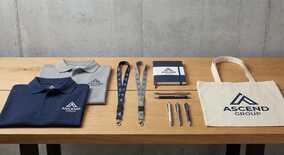
Корпоративний мерч - це не просто друк логотипу на футболці. Це потужний інструмент брендингу, який дозволяє компаніям зміцнювати корпоративну культуру, підвищувати впізнаваність бренду та створювати емоційний зв'язок з клієнтами та співробітниками. Для друкарень це означає відкриття нової прибуткової ніші з стабільними замовленнями та високою маржинальністю.
Ринок корпоративного мерчу в Україні стрімко розвивається. Компанії все більше усвідомлюють важливість корпоративної айдентики та інвестують у якісні брендовані товари. За статистикою, ринок промо-продукції зростає на 15-20% щорічно, а середній чек B2B замовлення в 3-5 разів перевищує роздрібні покупки.
Основні переваги роботи з корпоративними клієнтами включають стабільність замовлень, можливість планування виробництва, вищу маржинальність та довгострокові партнерські відносини. Компанії зазвичай замовляють мерч регулярно - на корпоративи, виставки, як подарунки клієнтам або для мотивації співробітників.
Типові види корпоративних замовлень можна розділити на кілька категорій:
Брендований одяг та аксесуари складають основу корпоративного мерчу. Це включає поло, футболки, толстовки, кепки, сумки, рюкзаки. Найпопулярнішими технологіями для таких замовлень є DTF друк, який забезпечує високу якість зображення на різних тканинах, та вишивка для преміум-сегменту.
Промо-товари та сувеніри включають ручки, блокноти, календарі, USB-флешки, пауер-банки, чашки. Для персоналізації таких виробів часто використовується сублімаційний друк, який дозволяє наносити зображення на керамічні та металеві поверхні з фотографічною якістю.
Набори для заходів та конференцій стають все більш популярними. Це можуть бути welcome-пакети для учасників, що включають фірмову папку, блокнот, ручку, значок учасника. Для виготовлення значків та медалей використовується спеціалізоване обладнання.
Ціноутворення для корпоративних клієнтів має свої особливості. Основні принципи включають:
Прогресивну систему знижок залежно від обсягу замовлення. Зазвичай знижки починаються від 50 штук та можуть досягати 30-40% для замовлень від 1000 одиниць. При цьому важливо розуміти собівартість виробництва та закладати адекватну маржу.
Комплексні пакети послуг, коли клієнт замовляє кілька видів продукції одночасно. Це дозволяє збільшити середній чек та підвищити лояльність замовника. Наприклад, пакет "Корпоративний стиль" може включати поло з логотипом, кепки, сумки та блокноти.
Гнучка система оплати та відстрочки для постійних клієнтів. Це особливо актуально для сезонних замовлень, коли компанії планують витрати на квартал або рік наперед.
Стратегії залучення корпоративних клієнтів вимагають системного підходу:
Створення професійного портфоліо з прикладами виконаних робіт. Важливо показати різноманіття технологій, якість виконання та креативні рішення. Фотографії готових виробів мають бути високої якості та демонструвати продукцію в контексті використання.
Активний пошук потенційних клієнтів через LinkedIn, участь у бізнес-заходах, рекомендації існуючих замовників. Ефективним є створення цільових пропозицій для конкретних індустрій - IT-компаній, банків, виробничих підприємств.
Розробка стандартизованих пропозицій та каталогів продукції з цінами для різних обсягів замовлень. Це дозволяє клієнтам швидко орієнтуватися у вартості послуг та прискорює процес прийняття рішень.
Шаблони договорів та комерційних пропозицій повинні врховувати специфіку B2B сегменту:
Детальний опис технічних вимог до макетів, терміни виконання замовлень, умови доставки та гарантійні зобов'язання. Важливо прописати відповідальність сторін та процедуру приймання-передачі готової продукції.
Система знижок та умови для постійних клієнтів. Це може включати програму лояльності, сезонні акції або знижки за обсяг річних замовлень. Прозорість ціноутворення збільшує довіру клієнтів.
Можливість роботи в кредит або з відстрочкою платежу для перевірених партнерів. Це особливо важливо для сезонних замовлень або великих проектів, де компанії планують витрати наперед.
Сезонність попиту в корпоративному сегменті має чіткі закономірності:
Пік активності припадає на осінь та весну. Восени компанії готуються до корпоративних заходів, планують новорічні подарунки для співробітників та клієнтів. Весною актуальні замовлення до 8 березня, випускних заходів та літніх корпоративів.
Літо традиційно вважається спокійним періодом, але це час для підготовки до осіннього сезону. Можна пропонувати клієнтам літні корпоративи, брендований одяг для відпочинку або промо-товари для літніх заходів.
Зимовий сезон характеризується високим попитом на новорічні подарунки, календарі на наступний рік, зимовий одяг з логотипами. Важливо заздалегідь готувати пропозиції та інформувати клієнтів про терміни виконання замовлень.
Технічні вимоги та підготовка макетів для корпоративного мерчу мають свою специфіку:
Клієнти зазвичай мають готові брендбуки з вимогами до використання логотипів, кольорів та шрифтів. Важливо дотримуватися цих стандартів та консультувати клієнтів щодо технічних можливостей різних технологій друку.
Для якісного результату необхідні векторні файли логотипів у форматах AI, EPS або SVG. Якщо клієнт має лише растрові зображення, потрібно запропонувати послугу векторизації за додаткову плату.
Кольорове відтворення має особливе значення для корпоративного мерчу. Необхідно мати можливість друку корпоративних кольорів за системою Pantone або забезпечити максимально точне відтворення в CMYK.
Logistics та доставка корпоративних замовлень потребують особливої уваги:
Великі замовлення зазвичай доставляються на адресу компанії або на склад клієнта. Необхідно мати договори з надійними логістичними компаніями та можливість відстеження посилок.
Упаковка продукції має бути професійною, особливо якщо товари будуть подаруватися клієнтам компанії. Можна запропонувати брендовану упаковку або подарункове оформлення як додаткову послугу.
Терміни доставки мають бути чітко прописані в договорі, особливо для сезонних замовлень або товарів до конкретних заходів. Затримка може призвести до втрати клієнта та репутаційних ризиків.
Контроль якості та післяпродажний сервіс критично важливі для утримання корпоративних клієнтів:
Система контролю якості має включати перевірку макетів перед друком, контроль якості матеріалів та готової продукції. Бракована продукція може серйозно пошкодити довіру клієнта.
Швидке реагування на скарги та готовність до перевиробництва бракованих товарів. Прозорість у вирішенні проблем підвищує лояльність клієнтів та може перетворити негативний досвід на позитивний.
Регулярний зв'язок з клієнтами, інформування про нові можливості та технології. Це може включати розсилку новин, запрошення на виставки або презентацію нових видів продукції.
Фінансове планування та рентабельність B2B напрямку має свою специфіку:
Необхідний початковий капітал для закупівлі матеріалів та сировини для великих замовлень. Корпоративні клієнти часто замовляють від 100-500 одиниць продукції, що вимагає значних авансових інвестицій.
Розрахунок собівартості має враховувати не лише вартість матеріалів та роботи, але й витрати на дизайн, менеджмент проекту, доставку та можливі ризики. Середня маржинальність корпоративних замовлень зазвичай становить 40-60%.
Важливо диверсифікувати клієнтську базу, щоб не залежати від одного великого замовника. Оптимальним вважається портфоліо з 20-30% великих клієнтів та 70-80% середніх та малих замовлень.
Тенденції розвитку ринку корпоративного мерчу вказують на зростання попиту на:
Екологічно чисті матеріали та виробництво. Компанії все частіше обирають органічні тканини, перероблені матеріали та екологічні технології друку. Це може стати конкурентною перевагою друкарні.
Персоналізацію продукції - коли кожен виріб має унікальні елементи (ім'я співробітника, його позицію тощо). Це вимагає гнучких технологій виробництва та ефективного workflow.
Інтеграцію цифрових технологій - QR-коди на продукції, доповнена реальність, інтерактивні елементи. Такі рішення підвищують цінність мерчу та його маркетингову ефективність.
Корпоративний мерч - це перспективний та прибутковий напрямок для друкарень, готових інвестувати в якісне обладнання, професійний сервіс та довгострокові відносини з клієнтами. Успіх у цьому сегменті вимагає системного підходу, але винагороджує стабільними доходами та можливостями для масштабування бізнесу.